
Dark circles under the eyes can make you look tired even when you feel rested. At Beauty-Eyes.biz we understand how frustrating this issue can be. The good news is you can often reduce their appearance with simple, natural steps and easy lifestyle tweaks. This guide covers causes, practical at home remedies, skincare tips, makeup tricks, foods for eye health, and when to consider professional help. If you are seeking glowier looking eyes without harsh procedures, you are in the right place.
What are dark circles and why they appear
Dark circles are the shadowy areas that form under the lower eyelids. They can appear blue, purple, brown, or black depending on your skin tone and the underlying causes. The skin around the eyes is very thin, so even small changes in blood vessels, pigmentation, or thickness can show through. Several factors can contribute to the look of dark circles, including genetics, aging, lifestyle, and health.
What are the main types of dark circles
- Pigmentary circles: caused by excess melanin deep under the skin.
- Shadows from volume loss: when the area under the eyes loses fat and bone structure with age.
- Vascular circles: visible blood vessels or pooling of blood under the eyes.
- Allergic circles: related to allergies that cause rubbing and inflammation.
Understanding which type you experience helps you choose the right routine and remedies.
Causes and risk factors
Dark circles arise from a mix of internal and external factors. Knowing the triggers can help you tailor a plan that works for you.
What causes dark circles under the eyes
- Genetics and heredity: If your parents have dark circles, you may notice them early.
- Aging: Thinning skin and loss of fat and collagen can make underlying vessels more visible.
- Allergies and eye rubbing: Allergic reactions and rubbing can worsen darkness and irritation.
- Sleep and fatigue: Not enough rest can dull the skin and cause fluid retention under the eyes.
- Sun exposure: Sun lights can increase pigmentation and make circles darker.
- Nasal congestion: Blood flow patterns around the nose and cheeks can contribute to a dark look.
- Nutritional gaps: Iron or vitamin deficiencies can influence skin tone and circulation.
- Dehydration: Poor hydration can emphasize thin skin and dullness.
- Alcohol and smoking: These can dehydrate the skin and worsen under eye shadows.
Who is more prone to dark circles
- Individuals with sensitive or thin skin around the eyes.
- People with a family history of pigmentation around the eyes.
- Those with seasonal allergies or chronic congestion.
- Adults experiencing age related changes and volume loss around the eyes.
- Anyone who does not get adequate sleep or hydration.
Natural remedies you can try at home
Here is a practical, step by step plan you can start today. Each tip targets a different aspect of the problem, so you can mix and match to fit your routine.
1. Sleep and elevation habits
- Aim for 7 to 9 hours of quality sleep per night.
- Elevate your head with an extra pillow to reduce fluid buildup overnight.
- Establish a regular sleep schedule and a calming pre bed routine.
A restful night helps skin repair and reduces puffiness that can cast a shadow under the eyes.
2. Cold compress and refreshing coolness
- Use a cold compress or chilled spoons for a few minutes in the morning.
- Tea bags can also work when cooled gently. Green or black tea contains caffeine and tannins that may reduce swelling.
- Wrap cold items in a clean cloth to avoid direct contact with the skin.
Cold therapy can constrict blood vessels and lessen the appearance of dark circles temporarily.
3. Hydration and gentle care
- Drink water throughout the day to stay hydrated.
- Use a gentle, fragrance free eye cream to keep the skin moisturized.
- Avoid rubbing or pulling on the delicate under eye skin.
Well hydrated skin looks plumper and brighter, which can minimize the contrast of dark circles.
4. Vitamin K and lightening helpers
- Some people find small improvements with topical vitamin K products.
- Vitamin E and almond oil may offer moisturizing benefits when used very carefully on the skin. Always do a patch test first.
If you have sensitive skin or known vitamin A sensitivities, consult a dermatologist before using potent actives near the eye area.
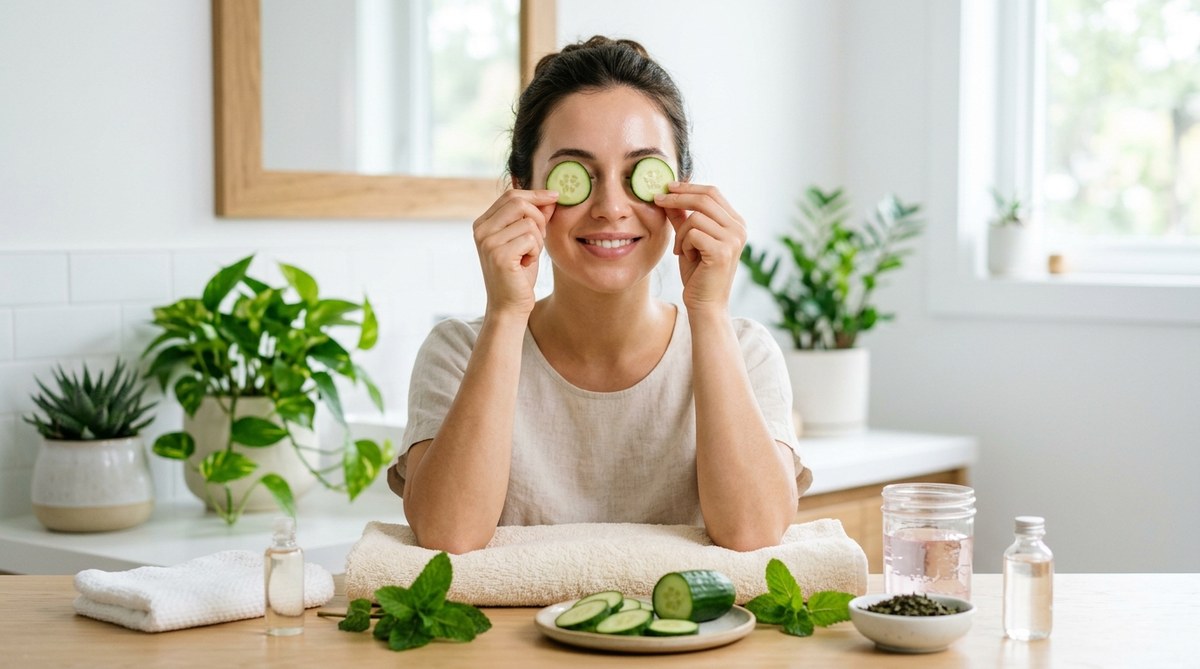
5. Cucumber and cooling remedies
- Slices of chilled cucumber placed on closed eyes can feel soothing.
- While cucumber is refreshing, it is not a miracle cure for pigmentation. It can reduce puffiness and provide a cooling effect.
Incorporate as a soothing ritual rather than a sole solution.
6. Tea bags for soothing caffeine and tannins
- Use cooled tea bags on closed eyes for 10 minutes.
- Green tea or black tea can help with puffiness; caffeine can constrict blood vessels.
This is a gentle home remedy that can be part of your daily routine.
7. Nourishing foods for eye health
- Iron rich foods: lean meats, spinach, lentils.
- Vitamin C rich foods: citrus fruits, berries, bell peppers.
- Vitamin K rich foods: leafy greens like kale and broccoli.
- Omega 3 fatty acids: fatty fish, flax seeds, chia seeds.
- Hydrating fruits and vegetables: cucumber, watermelon.
Balanced nutrition supports skin health and circulation, which can help with under eye shadows over time.
8. Avoid triggers and protect your eye area
- Limit sun exposure and always wear sunglasses with UV protection.
- Use a broad spectrum sunscreen around the eyes where safe.
- Minimize alcohol and avoid smoking, both of which can dry the skin and worsen circles.
9. Gentle facial massage and lymphatic drainage
- Light tapping and gentle massage in the under eye area can promote drainage and comfort.
- Consider a brief weekly facial massage routine, focusing on the cheekbones and under the eye socket.
Be gentle to avoid stretching or damaging delicate skin.
Skincare and makeup strategies to minimize dark circles
Natural remedies can reduce the appearance of dark circles, but many readers also rely on smart makeup techniques to look more awake.
Skincare steps to support lighter under eye skin
- Use a sunscreen daily to prevent additional pigmentation.
- Apply a hydrating eye cream that contains hyaluronic acid or ceramides.
- Consider a vitamin C serum applied around the orbital bone to brighten the skin.
- If you notice pigmentation, a dermatologist can discuss safe, lightening options.
Makeup tricks to conceal effectively
- Prep the area: cleanse and moisturize the under eye area.
- Color correctors: peach or apricot tones work well for most skin tones to counteract blue or gray shadows.
- Concealer: choose a shade that matches your skin tone or is one shade lighter. Use a light tapping motion rather than rubbing.
- Layering technique: apply a thin layer of concealer, set with a light translucent powder.
- Finish with a gentle brush or sponge for a seamless blend.
Tips for a natural finish:
– Avoid heavy cakey products under the eyes.
– Choose non comedogenic formulas if you are prone to clogged pores near the eye area.
– Use a makeup setting spray to help longevity.
Daily routines with skincare ingredients
- Caffeine containing eye creams for temporary tightening and reduced puffiness.
- Vitamin K and vitamin C combined products for brightening and support.
- Niacinamide can help with skin texture and tone over time.
- Be careful with retinol near the eyes, especially if you have sensitive skin. If you use retinoids, follow product directions and commence with lower concentrations.
Foods and lifestyle that support eye health
A healthy diet can contribute to smoother, brighter looking skin around the eyes.
- Iron rich foods to prevent iron deficiency related circles.
- Vitamin C rich foods support collagen and brightness.
- Include omega 3 fatty acids for skin resilience.
- Hydration through water and water rich foods.
Healthy sleep and stress management also play a big role in reducing under eye shadows. Consider mindfulness or light exercise to improve sleep quality.
When to seek professional help
If natural remedies and lifestyle changes do not bring the results you want, consider talking to a dermatologist or eye care specialist. They can discuss advanced options that may fit your goals.
Medical treatment options a professional might discuss
- Skin lightening creams with prescription strengths to reduce pigment in the under eye area.
- Laser therapy to address pigmentation and structural concerns.
- Chemical peels to improve skin texture and reduce pigmentation.
- Fillers to restore volume in the under eye area that contributes to shadows.
- Blepharoplasty to remove excess skin that may create dark shading.
It is important to have a clear discussion about goals, safety, and potential side effects before undergoing any procedure.
Frequently asked questions
Can dark circles be permanent
Dark circles are often temporary or fade with changes; however some people have persistent pigment or structural causes that may feel permanent without treatment. A professional can help determine the best plan.
Are there natural cures that truly work long term
Natural remedies can reduce discomfort, puffiness, and minor pigmentation, especially when combined with a healthy lifestyle. Long term results vary by person and by cause.
How long does it take to see improvements
Some people notice small improvements in a few weeks with consistent sleep, hydration, and skincare. More significant changes can take several months, especially if pigmentation is involved.
Is makeup enough to cover dark circles
Makeup can dramatically improve the appearance, especially when paired with proper skincare. It will not fix the underlying cause but can offer a confident finish.
Realistic planning and consistency
- Set up a simple nightly routine that includes cleansing, applying an eye cream, and a gentle massage.
- Create a daytime routine focused on hydration, sun protection, and healthy meals.
- Track progress with photos at regular intervals rather than relying on daily fluctuations in lighting or mood.
Consistency matters. Small, steady habits over weeks and months often yield the best natural improvements.
Final thoughts
Dark circles are a common concern that can be approached from multiple angles. By combining proper sleep, hydration, sun protection, targeted skincare, gentle makeup, and supportive foods, you can reduce the appearance of under eye shadows naturally. If you ever feel unsure about your pigmentation or if you notice sudden changes, consult a professional to ensure there is no underlying health concern. At Beauty-Eyes.biz we are here to share approachable tips that fit real life, so you can look and feel more awake with confidence.
 Lina
Lina