
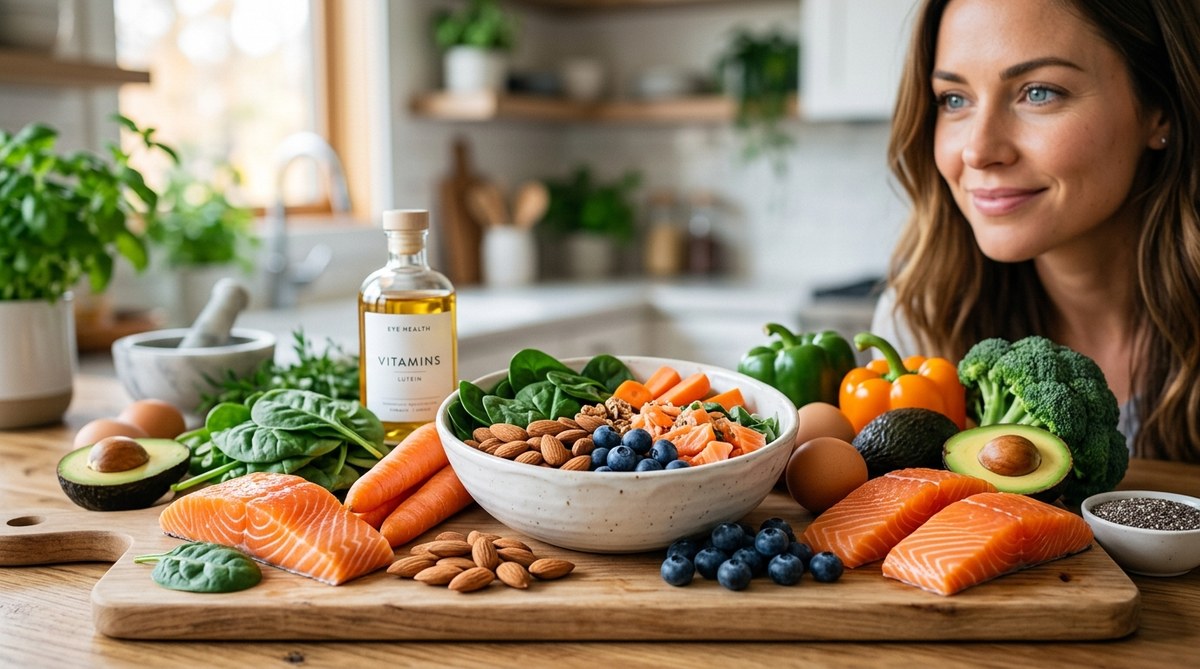
Your eyes are more than a window to the world; they are a window to your overall health. At Beauty-Eyes.biz we believe great eye care starts with simple everyday choices. This guide dives into foods that improve eye health, explains why certain nutrients matter, and shows you easy ways to weave vision friendly picks into your daily meals. From crunchy carrots to fatty fish and beyond, nurturing your eyes can be delicious, empowering, and totally doable.
Why nutrition matters for eyes
Your retina, macula, and optic nerves rely on a steady stream of nutrients to perform at their best. Over time, a diet rich in specific vitamins, minerals, and plant compounds can support healthy vision, protect against age related changes, and keep eyes comfortable when you are staring at screens all day. Think of your meals as a way to reinforce the care you give with makeup tips, eye masks, and proper sunscreen for the eye area.
Healthy eyes thrive on a balance of nutrients that come from color filled produce, lean proteins, and healthy fats. The good news is that many of these foods are tasty and easy to prepare. Small changes every day add up to meaningful benefits for your sight.
Key nutrients that support eye health
Lutein and Zeaxanthin
These carotenoids act like sunglasses for your retina, filtering blue light and helping protect the macula. You can find them in:
– Dark leafy greens (spinach, kale, Swiss chard)
– Cruciferous vegetables (broccoli, cabbage)
– Bright corn and peppers
– Eggs, which provide lutein and zeaxanthin in a highly bioavailable form
How to get them into your day:
– Start the day with a spinach omelet or a smoothie that includes kale
– Add corn kernels to salads or salsas
– Enjoy eggs for breakfast a few times per week
Omega-3 fatty acids
DHA and EPA are key fats for eye health, supporting cell membranes in the retina and reducing dryness or irritation. Primary sources include:
– Fatty fish like salmon, sardines, and mackerel
– Flaxseed and chia seeds for plant based omega-3s (note that these are ALA and less efficiently converted to DHA and EPA)
– Walnuts and certain oils such as canola or soybean
How to fit them in:
– Grill a salmon fillet for dinner twice a week
– Sprinkle ground flaxseed into yogurt or oatmeal
– Use chia seeds in puddings or smoothies for a light, crunchy texture
Vitamin C and Vitamin E
Antioxidants help protect eye cells from oxidative stress. Focus on:
– Citrus fruits—oranges, grapefruits, clementines
– Berries, kiwi, and bell peppers
– Nuts and seeds, particularly almonds and sunflower seeds
Ways to add them:
– Snack on an orange or a handful of berries
– Slice bell peppers into veggie sticks with a light hummus dip
– Include a small handful of almonds with meals or as a crunchy topping
Zinc and other minerals
Zinc supports the metabolism of vitamin A and helps with night vision. Good sources include:
– Lean meats and poultry
– Beans and lentils
– Shellfish such as oysters
– dairy products in moderation
Tips to mix in:
– Lean beef or chicken in wraps or bowls
– A lentil or chickpea side dish with greens
– A sprinkle of cheese on a vegetable heavy plate for flavor
Beta carotene and other carotenoids
Beta carotene is converted to vitamin A in the body, which supports the surface of the eye and overall vision health. You find it in:
– Carrots and sweet potatoes
– Butternut squash
– Winter squash varieties
In practice:
– Roast sweet potatoes as a side or mash with a sprinkle of cinnamon
– Add shredded carrot to salads or wraps
– Try a butternut squash soup as a comforting lunch
Foods that pack a punch for eye health
Here is a practical list of eye friendly foods. Use this as a shopping guide and meal starter.
Leafy greens and cruciferous veggies
Leafy greens are among the richest sources of lutein and zeaxanthin. Cruciferous vegetables add variety and extra nutrients.
– Spinach
– Kale
– Swiss chard
– Broccoli
Ways to enjoy them:
– Sauté greens with olive oil and garlic as a side
– Add a handful of greens to smoothies
– Toss broccoli florets into a stir fry or roasted veggie plate
Colorful fruits and peppers
Color matters for eye health because the pigments signal rich antioxidant content.
– Carrots
– Bell peppers (red, yellow, orange)
– Citrus fruits (oranges, grapefruit)
– Kiwi and strawberries
Ideas for meals:
– Carrot sticks with a yogurt dip
– A citrus segments salad with peppers and avocado
– A fruit bowl as a daytime snack
Lean proteins and seafood
Proteins help supply zinc and essential fats for eye health.
– Salmon
– Tuna
– Lean beef or turkey
How to enjoy:
– Baked salmon with a side of greens
– Tuna salad with avocado on whole grain bread
– Lean turkey chili with beans and tomatoes
Eggs and fortified foods
Eggs are a convenient, versatile source of lutein, zeaxanthin, and healthy fats.
– Eggs (especially the yolks)
– Fortified cereals and dairy products
Serving ideas:
– Scrambled eggs with spinach and peppers
– Omelet loaded with colorful veggies
– Fortified breakfast cereal with milk and fruit
Nuts seeds and legumes
Healthy fats, protein, and minerals support eye function.
– Almonds
– Walnuts
– Sunflower seeds
– Chickpeas and lentils
How to snack smart:
– A small handful of almonds
– A chickpea salad on whole grain toast
– A seed mix with pumpkin and sunflower seeds
Whole grains and hydration
Whole grains help deliver essential nutrients without spikes in blood sugar.
– Oats
– Quinoa
– Brown rice
– Whole grain bread
Hydration matters for tear film stability and eye comfort.
– Water with meals
– Herbal teas
– Watermelon or cucumber based snacks
Tips:
– Build a bowl with quinoa, greens, beans and a lean protein
– Choose fortified cereals for breakfast if you need an extra nutrient boost
Beets and tomatoes
Beets add color and micronutrients, while tomatoes bring lycopene to the mix.
– Beets
– Tomatoes
Serving ideas:
– Beet and goat cheese salad
– Tomato basil pasta with whole grain noodles
Practical tips to eat for eye health every week
- Plan a simple weekly menu that includes at least two greens, two color fruits or vegetables, and two servings of fatty fish
- Use meals that combine color and protein to keep you satisfied
- Prepare snacks that mix nuts, seeds, and fruit for on the go energy
- Batch cook leafy greens with olive oil and garlic for quick add ins to bowls and pastas
Sample daily routine
– Breakfast: Spinach and mushroom omelet with a side of berries
– Lunch: Kale and quinoa bowl with cherry tomatoes, chickpeas, and lemon vinaigrette
– Snack: A small handful of almonds and an orange
– Dinner: Baked salmon, steamed broccoli, and roasted sweet potatoes
– Dessert or treat: Yogurt with sliced kiwi and a drizzle of honey
If you’re aiming for eye health without sacrificing flavor, this approach makes it doable. You can pair meals with eye care habits from makeup routines to sun protection for the delicate eye area.
Eye health and lifestyle synergy
Nutrition is a major piece, but lifestyle matters too.
– Protect your eyes from UV light with sunglasses that block 100 percent of UVA and UVB rays.
– Limit continuous screen time and use the 20-20-20 rule to reduce digital strain.
– Ensure adequate sleep to support tear production and overall eye wellness.
– Stay active; regular movement supports circulation and nutrient delivery to the eyes.
– If you wear contact lenses, follow hygiene practices to avoid irritation that can affect eye comfort.
Pairing a healthy plate with good eye care leaves you looking and feeling your best.
Frequently asked questions about foods for eye health
Do I need supplements for eye health
Supplements may help some people, but most adults can meet eye health goals through a varied diet. If you are considering supplements, talk to a healthcare professional about your specific needs and any conditions or medications you take.
How much lutein and zeaxanthin should I aim for daily
There is no single official daily amount. Most nutrition experts suggest including foods that provide lutein and zeaxanthin as part of a balanced diet. A variety of leafy greens, eggs, and colorful vegetables can help you approach a meaningful intake over time.
Can foods really prevent eye problems later in life
Nutrition supports eye health and can reduce the risk of certain age related changes, but it cannot guarantee prevention. Combine dietary choices with regular eye exams, protective measures, and a healthy lifestyle for the best long term outcomes.
Are there foods to avoid for eye health
Most eye health focused foods are safe and healthy for most people. Moderation is key for processed, high sugar, and high salt foods, which can contribute to overall health concerns. If you have a specific condition such as glaucoma or macular degeneration, follow your eye care professional recommendations.
Does the order of meals matter
Not for the eye health nutrients themselves, but spacing out nutritious foods through the day helps with absorption and enjoyment. A regular pattern of meals and snacks reduces cravings for less healthy options.
Realistic daily routine for eye healthy eating
- Keep a colorful plate at lunch and dinner
- Have a protein and a veggie with every meal
- Use eggs or fortified foods a few times per week
- Include a handful of nuts or seeds as a snack
- Rotate greens through meals to cover a wider range of nutrients
If you enjoy makeup tutorials and eye care tips, think of this as the inside track to complement your beauty routine. Eye health nourishes not just your vision but also your comfort and confidence in your everyday activities. Consistent habits lead to cumulative benefits, and the results can be both visible and deeply satisfying.
Final thoughts
Small, delicious changes in what you eat can support eye health in meaningful ways. By prioritizing lutein and zeaxanthin rich greens, omega-3 fatty acids from fish, antioxidant rich fruits and vegetables, and a steady supply of zinc and vitamin E from nuts and seeds, you empower your eyes to stay sharp as you age. Pair these choices with smart skincare for the eye area, UV protection, and mindful screen time, and you have a well rounded approach to beauty and health that starts from the inside.
If you want more eye care inspiration, stay tuned to Beauty-Eyes.biz. We share makeup techniques, natural remedies for common concerns like dark circles, and product reviews that align with a vision healthy lifestyle. Your eyes deserve the best care, and a nourishing diet is an essential part of your beauty and health toolkit.
 Lina
Lina